Why People Buy Cheap Furniture and When It Is Worth It
You stand in a showroom. A $900 sofa sits on your left and a $280 one sits on your right. Your wallet votes before your taste does.
So why do people buy cheap furniture? The answer starts in that aisle. Tight budgets and short leases push most shoppers toward affordable pieces. I have furnished homes and run a furniture business, and I seldom call this a bad choice.
What Drives Shoppers to Cheap Furniture in the First Place
Buyers choose cheap furniture because money is tight and leases are short. For most people, the purchase is a sensible call about timing and risk.
Think about a first apartment. You need a bed, two nightstands, a table, and a few chairs by Saturday. Retail prices at specialty stores can swallow a month of rent. IKEA solves that problem with flat-pack boxes and clear price tags.
Renting changes the math too. If you expect to move in two years, a heavy solid wood dresser feels like baggage. Trends add another pull. Shoppers refresh a bedroom or living room as fashion shifts, and inexpensive decor makes that easy.
Risk plays a part as well. A cheap bookshelf that disappoints costs little. An overpriced sectional that disappoints hurts for years. Many homeowners use affordable options to test their style before investing a lot.
What Cheap Furniture Costs After a Few Years
Budget-friendly pieces often carry a low price tag upfront, yet they end up costing far more each year. Thin veneer, particleboard, and light hardware wear out sooner, so buyers replace pieces and spend the savings twice.
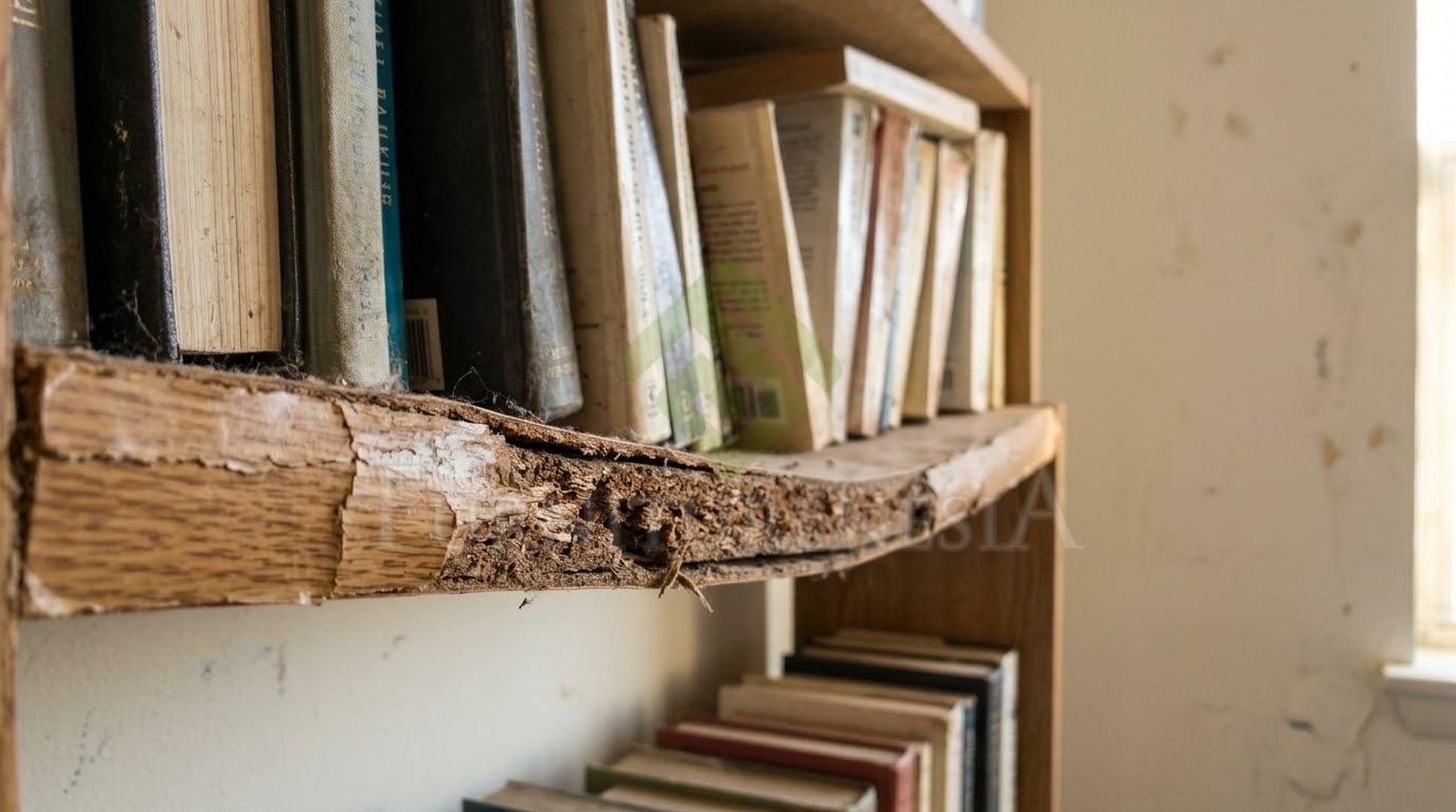
Particleboard, Veneer, and Hardware Wear
Particleboard and MDF absorb moisture and swell at the edges. Veneer chips, and glossy finishes peel under daily use.
On job sites and in showrooms, the same failures repeat. Shelves sag, dresser drawers rack, screws strip, and rickety stools wobble after the second move. Real hardwood and expert assembly support heavy daily use without breaking down. They also cost more up front, and that gap pays for craftsmanship.
The Cost Per Year Math
Divide the price by the years you expect to use a piece. This simple calculation reveals the real expense of low-cost furnishings far better than the initial sticker price ever could.
These ranges are rough estimates and vary by market and brand.
| Piece | Typical Price Range | Expected Lifespan | Estimated Cost Per Year |
|---|---|---|---|
| Flat-pack bookshelf | $60 to $150 | 2 to 4 years | $15 to $75 |
| Solid wood bookshelf | $400 to $900 | 15 to 25 years | $16 to $60 |
| Budget sofa | $300 to $700 | 3 to 6 years | $50 to $230 |
| Quality sofa | $1,500 to $3,500 | 12 to 20 years | $75 to $290 |
| Thrifted dresser | $80 to $300 | 10 to 20 years | $4 to $30 |
The ranges overlap. A budget sofa can match a quality sofa per year when you move often. A thrifted dresser beats both. The math breaks down when you tire of a style early.
Where Smart Shoppers Find Nice Pieces on a Small Budget
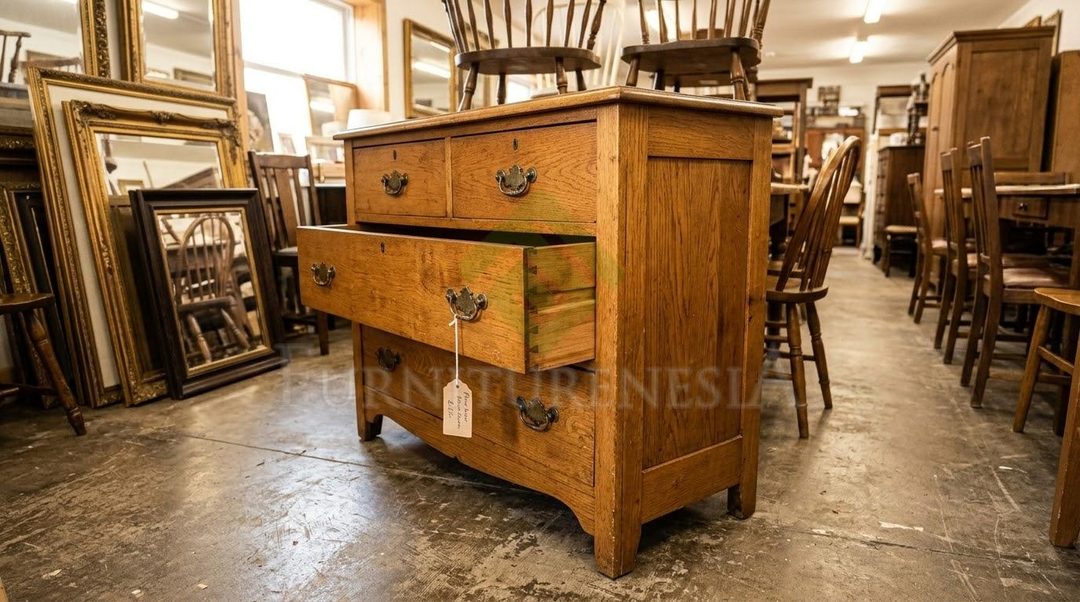
Smart shoppers mix thrifted, vintage, and new basics. Used solid wood often outlasts new flat-pack at a similar price.
- Thrift stores and donations for dressers, tables, and chairs
- Vintage and antiques for solid wood and real craftsmanship
- Reclaimed wood and DIY refinishing for character
- New budget basics for low-stress items like rugs, bedding, and storage bins
Test a piece before you pay. Pull out drawers, wiggle the joints, sit on every chair, and check the back panel. Reuse also keeps bulky pieces out of landfills, which is a quiet bonus.
If you want to see what lasting wood looks like, read this guide to choosing teak furniture before you shop.
When Cheap Furniture Is Worth It and When It Is Not
Cheap furniture is worth it for short stays and low-use pieces. Pay more for what you touch daily, like a mattress, a sofa, and a desk chair.
Why do people spend money on affordable decor and feel good about the choice? They match the price to the use. A side table carries a mug. A mattress carries your whole night.
The downsides are real. Cheap pieces often feel less comfortable, lose resale value fast, and add bulky waste when they break. A buyer who replaces a $400 sofa every four years spends $1,200 in twelve years. That buyer still ends up with a worn sofa.
Smart Buys for Renters and First Apartments
Renters should buy cheap on nightstands, side tables, bookshelves, and decor. These pieces carry little weight and move easily.
Outdoor pieces follow different rules. Sun and rain destroy cheap materials fast. Read this breakdown of outdoor furniture for direct sunlight before you buy anything for a patio.
Pieces Worth Saving Up For
Focus your spending on quality mattresses, comfortable sectionals, and ergonomic office seating that lasts. You use them every day, so comfort and durability matter most.
Check the frame material, cushion density, leather or fabric quality, and warranty length. For outdoor lounging, a teak sun lounger handles weather for many years with basic care. Buying direct from an Indonesia furniture manufacturer also cuts retail markups.
Small Habits That Help Budget Furniture Last Longer
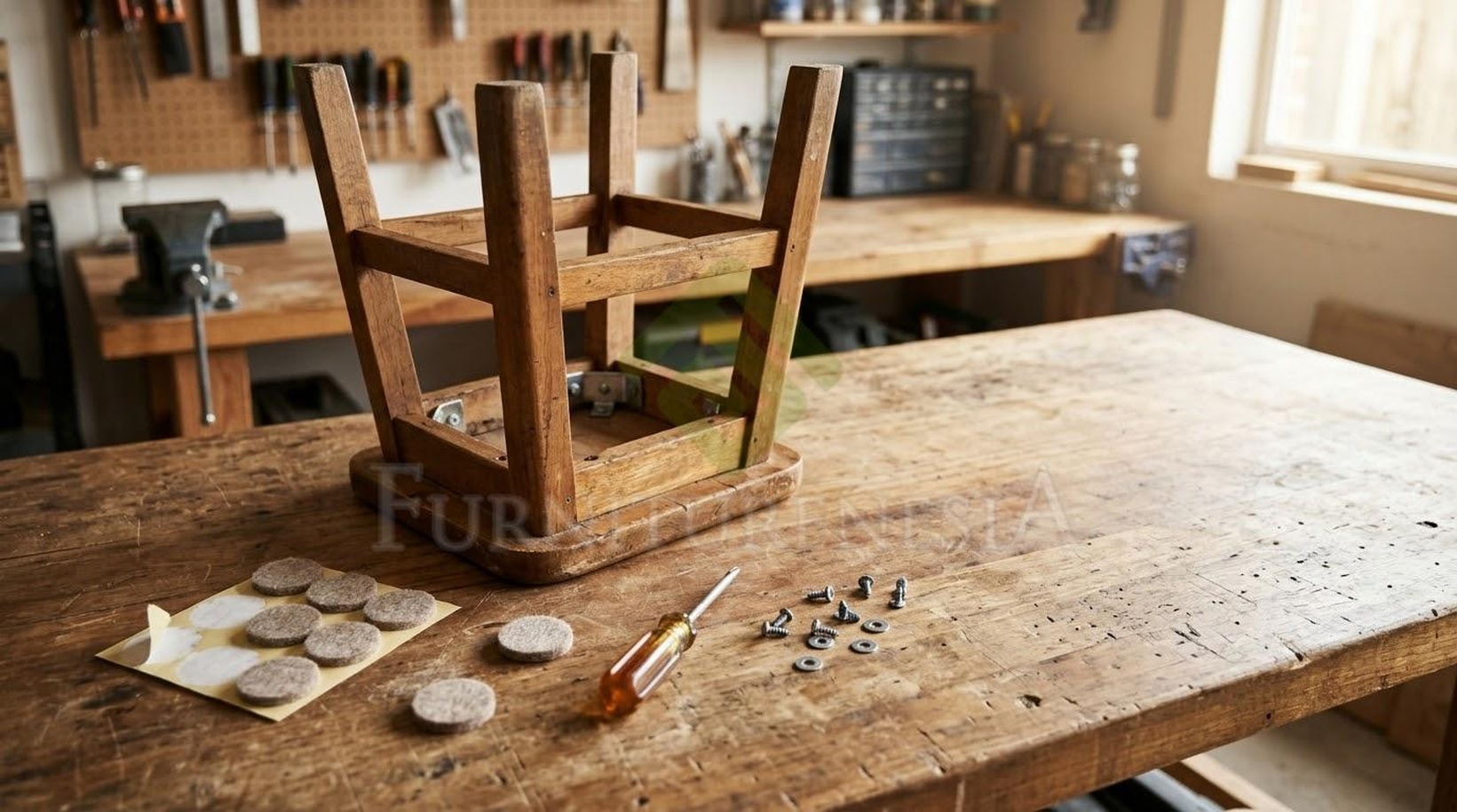
Careful assembly and sensible weight limits add years to budget pieces. These habits cost almost nothing.
Tighten the hardware after the first month. Add felt pads under the legs. Keep shelves below their load limit. Move pieces away from damp walls and direct heat.
Still wondering why do people buy cheap furniture? Look at the budget, the lease, and the daily use. Audit one room this week, mark the pieces you touch every day, and start a savings fund for those first.