How to Import and Buy Quality Furniture from Indonesia
You found a teak dining set on a Jepara workshop’s feed, and the price looks almost too good. Now the real question starts. How to buy furniture from Indonesia without losing your deposit or unpacking warped boards?
People do it every year, from retailers to hotel developers to expats furnishing a villa. Below are the steps that matter and the mistakes I see most often on real orders.
I run a furniture business and manage villa and hotel fit-outs, so these notes come from the shop floor.
How to Buy Furniture From Indonesia Without Costly Mistakes
Pick your sourcing route first. Then verify the supplier, agree on staged payments, and plan freight before production starts. Most import problems come from skipping one of those four steps.
Importers keep coming back to Indonesia for practical reasons. Woodworkers in Central Java and Bali build with traditional joinery and hand carvings. Plantation teak gives them dense, stable stock. Rattan weaving from Cirebon and bamboo work from Bali add lighter options for living rooms and verandas. Prices often beat European workshops, and designs run from rustic to modern.
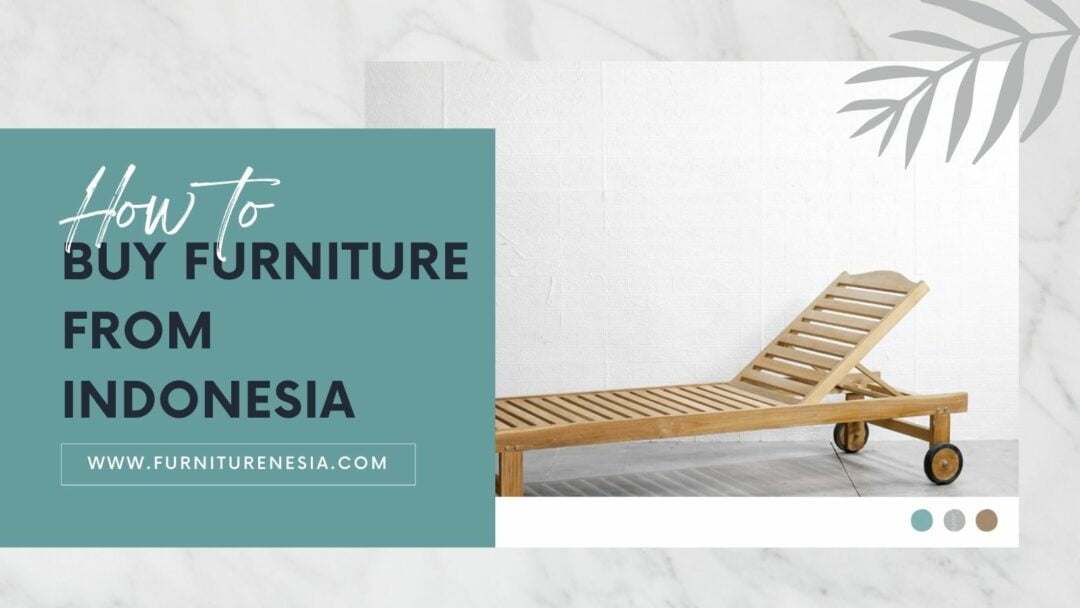
The range is wide. Classic teak benches, handmade rattan lounges, upholstered sofas, and a teak sun lounger for the pool deck all come from the same region. You can order ready stock or customize size, finish, and fabrics.
Distance has a cost. Production often takes 6 to 12 weeks, and custom or carved pieces take longer. Sea freight adds more weeks. A wrong measurement is expensive to fix once a container sails, so budget time and cash for that.
Choosing Between Factories, Agents, and Showrooms
Buy direct from a factory for the best pricing and customization. Hire a buying agent if you lack time or language skills. Use showrooms to test comfort before a larger order.
Buying Direct From the Factory
Working with a teak furniture indonesia factory removes the middleman margin. You can specify wood type, dimensions, and finish. The trade-off is legwork. You will chase quotes, arrange freight, and check progress yourself, often through WhatsApp or video calls.
Minimum order quantities vary. Some factories accept a few pieces per design. Others want a full container mix.
Hiring a Buying Agent
A local agent finds workshops, negotiates in Bahasa Indonesia, supervises packing, and flags problems early. Most charge a commission or a flat fee. Agents suit first-time importers who need someone to guide them through the paperwork. Check their references as hard as you check the factory.
Visiting Showrooms
Showrooms let you sit in chairs, test drawers, and see whether a table wobbles. Retail markups run higher, and moving bulky pieces overseas adds time. Many buyers visit once, pick samples, then place wholesale orders with the factory.
Vetting Suppliers and Structuring Payments Safely
Verify the company, see the factory, and inspect a sample before you pay more than a deposit. Split payment into milestones tied to production and shipping.
Thousands of manufacturers and exporters work in Indonesia. Some are real workshops. Others are traders who resell stock from different makers. Ask for a business license and factory photos. Request a live video walk-through and references from buyers in your own country.
Ask each supplier about price, lead time, minimum order quantity, customization limits, and payment terms. A serious supplier answers with specifics. Vague replies signal trouble.
A deposit and balance payment is standard. Factories often ask for 30 to 50 percent upfront. The rest is due before shipment or against the bill of lading. Confirm that the bank account name matches the company on the proforma invoice. Send nothing to a personal account.
Price negotiation works best after the first sample. Compare quotes on the same Incoterm. FOB prices stop at the Indonesian port. CIF adds freight and insurance. EXW leaves every step to you. A cheap EXW quote can cost more than a fair FOB one.
Budget the landed cost, not the factory price. Add freight, insurance, duty, local taxes, trucking, and warehouse fees. These expenses can add a large share on top of the supplier’s quote, so run the full numbers before you order.
Walk away if a supplier demands full payment up front or refuses video calls. Be just as wary of quotes far below competitors. Low prices often trace back to thin boards, wet wood, or weak finishing.
Material Trends Buyers Are Requesting
Buyers now ask for legal and traceable timber, reclaimed teak, mixed-material frames, and performance fabrics. Material choice affects price, weight, and how furniture survives your climate.
Plantation teak remains the benchmark for outdoor furniture because of its natural oils and weather resistance. Reclaimed teak has grown popular for rustic tables, cabinets, and coffee tables. Each piece shows its own grain and age, so expect variation from one item to the next.
Rattan and bamboo suit indoor rooms and covered terraces. Designers now pair them with teak or aluminum to cut weight and cost. Performance fabrics on cushions and upholstery resist sun and mildew around pools and villas. Large pieces such as a double sun lounger carry more load, so they need strong joinery and hardware.
Moisture matters more than most buyers expect. Kiln drying brings wood to about 8 to 12 percent moisture, depending on your destination climate. Wet boards crack and warp in heated homes. Ask for moisture readings before packing.
Legality has also become a buying criterion. Indonesia runs a timber legality system, and exporters should hold a valid SVLK certificate. Importers in the EU and US should also check current rules, such as the EU Deforestation Regulation and the US Lacey Act. Scope and dates change, so confirm them before you order.
Shipping, Customs, and Delivery Inspection Step by Step
Book freight through a forwarder and prepare the document set early. Clear customs with a broker. Inspect every carton on arrival, because photographs protect your claim.
Packing and Freight
Sea freight is the usual choice for furniture. Air freight is faster and costs far more, so it suits only samples. A full 20 or 40 foot container gives the lowest cost per piece. Smaller buyers can use LCL, where several importers share one container.
Most Central Java cargo leaves from Semarang or Surabaya. Plan about 4 to 8 weeks from loading to destination ports, depending on route and season. Ask for packing photos before the container closes. Good packing means corner guards, shrink wrap, and wooden crates for fragile pieces.
A freight forwarder finds rates, books cargo space, files documents, and tracks the shipment. The standard document set includes the commercial invoice, packing list, bill of lading, and certificate of origin, along with the SVLK papers. Some countries also ask for a fumigation certificate. Customs uses these papers for duties, taxes, and inspection.
Clearing Customs at Your End
Duties and taxes depend on your country and the product code. Wooden furniture often falls under HS heading 9403, but confirm that with your broker. A customs broker handles forms and fees. Rules vary by country, so check them before you order and not after the container sails.
Inspecting and Accepting Your Shipment
Once customs clears the goods, you handle delivery and acceptance. Follow these steps.
- Receiving Your Shipment: Contact the local carrier who will drop the goods at your door. Confirm your address, contact details, and delivery instructions.
- Inspecting Your Shipment: Open the cartons and check goods against your order and documents. Confirm quantity, quality, and condition. Look for damage, defects, or missing items. Check the packaging for signs of rough handling.
- Accepting Your Shipment: Sign the delivery receipt once you are satisfied. Write your name, the date, the time, and any observations. Take photos or videos of every issue.
- Communication: Tell your supplier and freight forwarder about any problem right away. If goods arrive damaged, file a claim.
Start Small, Then Scale Your Orders
A first order teaches you more than any checklist. Many importers start with a sample set or a half container. They add inventory once quality and shipping prove reliable. Retailers and villa developers both follow that path.
Learning how to buy furniture from Indonesia takes patience, and the craftsmanship and savings repay it. Vet the supplier, stage your payments, and check the wood before it ships.
At Furniturenesia, we specialize in outdoor furniture manufacturing built from premium teak. If our collections caught your eye, or you want guidance on importing for homes or hotel projects, contact our team. We help with every step, from choosing pieces to arranging shipment.